[Studio Gear Guide] Do Small Studios Really Need a Control Surface? Motorized Faders vs Mouse Reality
An honest evaluation of control surfaces for project and home studios. We analyze motorized fader workflows, muscle memory advantages, desk real estate trade-offs, and practical buying choices.

📌 Overview & Editor’s Take
Every home producer has dreamed of mixing behind a sleek desk of moving faders. There is undeniable romance in tactile fader riding.
Yet in the reality of a compact home studio, physical controllers often face a harsher verdict: crowded desk ergonomics, finicky DAW mapping protocols, and significant financial investment. Many end up serving as very expensive cup holders. Here is an honest, practical analysis of whether adding a control surface makes genuine sense for small project environments.
🎛️ The Concrete Advantages (Why Pros Swear by Them)
- Listening with Ears Rather than Eyes: Operating a mouse inherently glues your visual focus to meters, waveforms, and plugin GUIs. A physical fader allows you to close your eyes and judge whether a lead vocal is truly sitting in the pocket purely by ear.
- Musical, Expressive Vocal Automation: Human breathing dynamics and emotional crescendos flow naturally through finger movements. Drawing continuous, expressive rides by hand yields far more musical curves than clicking linear points with a mouse.
- Dedicated Transport Ergonomics: Quick tactile access to Play, Stop, Record, Loop, and Jog scrubbing eliminates constant keyboard shortcut juggling during long vocal tracking days.
⚠️ Honest Pitfalls & Small-Studio Realities
- Severe Desk Real Estate Cannibalization: An 8-channel fader bank easily devours the prime real estate reserved for your computer keyboard, mouse, and MIDI controller. If you have to twist awkwardly to type lyrics, your overall workflow suffers.
- Plugin Parameter Fatigue: Controlling complex EQ curves or compressor thresholds via rotary encoders often requires mental gymnastics to match LCD banks with plugin parameters. In most cases, a quick mouse gesture is dramatically faster.
- Motor Noise in Quiet Rooms: During delicate mixing passes, the subtle mechanical whine of motorized faders tracing complex automation can be distracting in treated bedroom spaces.
💡 Practical Buyer’s Guide & Recommendations
1. The Single-Fader Sweet Spot (e.g., PreSonus FaderPort)
- Why it wins: In modern in-the-box production, you rarely ride multiple channels simultaneously. A single motorized fader that instantly attaches to whichever track is currently selected delivers 90% of the automation benefit at a fraction of the cost ($150–$220) while occupying negligible desk space.
2. When an 8-to-16 Fader Surface is Justified
- Engineers handling multitrack live drums and band sessions who balance relative group levels simultaneously on the fly.
- Orchestral composers performing multi-parameter CC expression and dynamics simultaneously with both hands.
💰 Final Verdict
A control surface won’t miraculously transform a flawed mix into a masterpiece. However, as an ergonomic tool to reconnect your hands with your ears, a well-chosen compact controller can reignite your passion and focus during long mix sessions.
*Prices and promotional offers change frequently based on campaigns and exchange rates. Please verify the latest details via the source report or official plugin store (store link includes affiliate promotion).
Plate core 12AU7 VCA core 26x
Rich EMT 140 plate reverberation integrated with 12AU7 tube saturation and aggressive VCA gated compression for punchy drums and vocals.
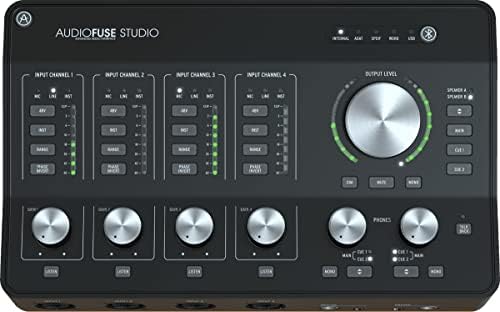
*Tracks created using the environments, gear, and techniques featured on this site are available for preview and free download in the Lo-bit LAB Free BGM Library. Continuously updated.*
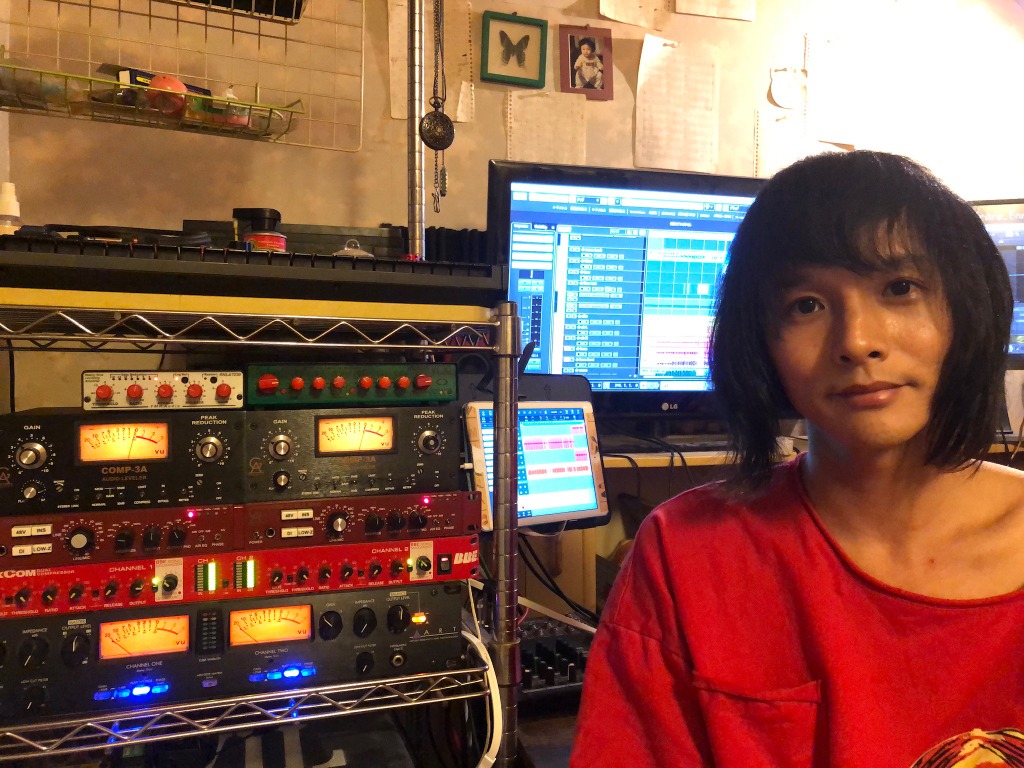
Lin Wolinski / Lo-bit record
Musician, Recording & Mixing Engineer, Music Instructor (Guitar, Bass, DTM, Composition & Arrangement), and C++ Audio DSP Plugin Developer.
Active as Bassist, Synthesist, Backing Vocalist, and Composer/Arranger for the rock band "Once Grace Forever".
Following musical study in Australia, actively engaged in professional music production, bespoke mixing & mastering, boutique audio plugin development under "Lo-bit record", releasing royalty-free music assets, and authoring audio engineering resources.